

Tracking Hammerhead Sharks with Argos Services
With their unique hammer-shaped heads and sleek, powerful bodies, hammerhead sharks are among the most recognizable predators in the ocean. But behind their striking appearance lies a troubling...
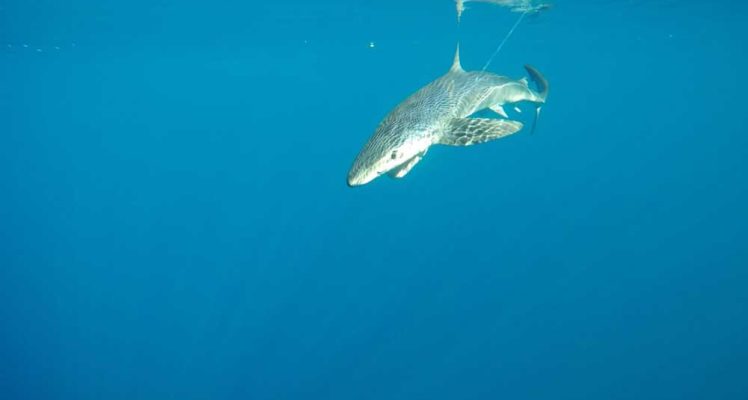
Blue Sharks in the Western Mediterranean Sea
Blue sharks are threatened - as most shark species. However, basic information on the species in the Mediterranean are missing - population, habitat, migration… -- while this sea is specific,...
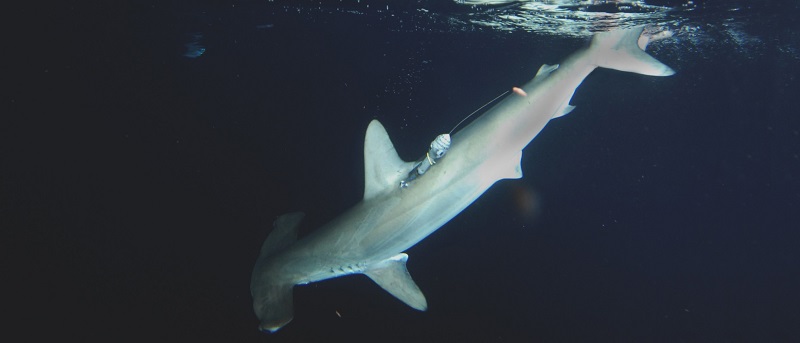
Do Juvenile Smooth Hammerhead Sharks Have a Nursery in the Azores?
Smooth hammerhead sharks are a threatened species of shark – as most shark species. Locating their essential habitats, like the nurseries could make a difference in their protection. Argos can help...

Lost Shark Tag Found Thanks to the Animal Telemetry Network and the Argos Goniometer
Marcus Drymon, Assistant Extension Professor at Mississippi State University Marine Fisheries Specialist and Dr. Greg Skomal, an accomplished marine biologist who we interviewed for Shark Week, were...
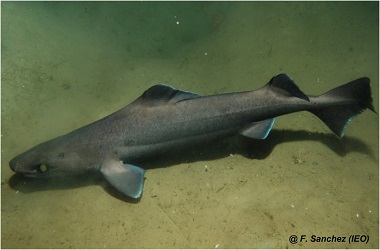
Dog Recovers Lost Argos Tag From a Leafscale Gulper Shark
At the end of March 2022, Cristina Rodríguez-Cabello researcher of the Spanish Institute of Oceanography (IEO) in Santander (Spain), was working at her Centre when she received an unexpected yet...
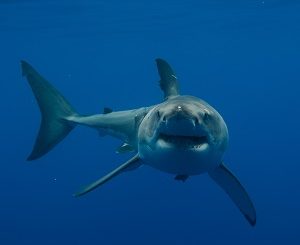
Shark Week: Dr. Gregory Skomal Talks Tagging and What The Future Constellation Will Bring
"I think anyone who’s used Argos will have to admit that they’ve learned something revelatory. The more we use Argos to track animal movements, the more we see that their movements are far more...
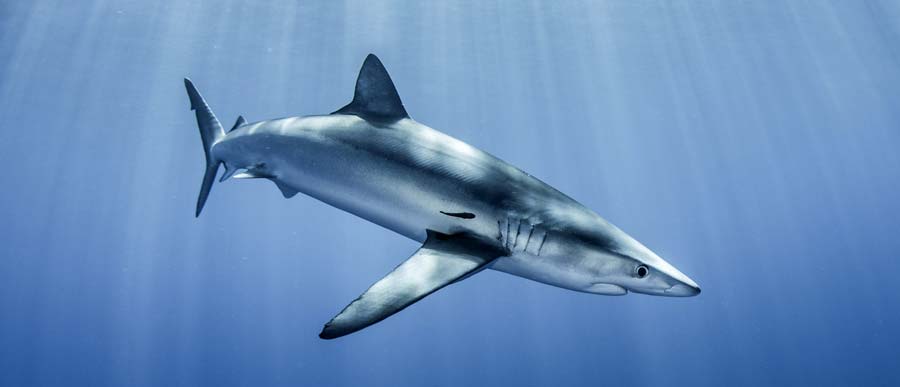
Less Oxygen in the Ocean May Mean More Threats from fFisheries for Blue Sharks
Blue sharks, as many pelagic species of sharks, are often found in the surface layers above the existing Oxygen Minimum Zones. Those layers might shrink due to climate change and the expansion of...
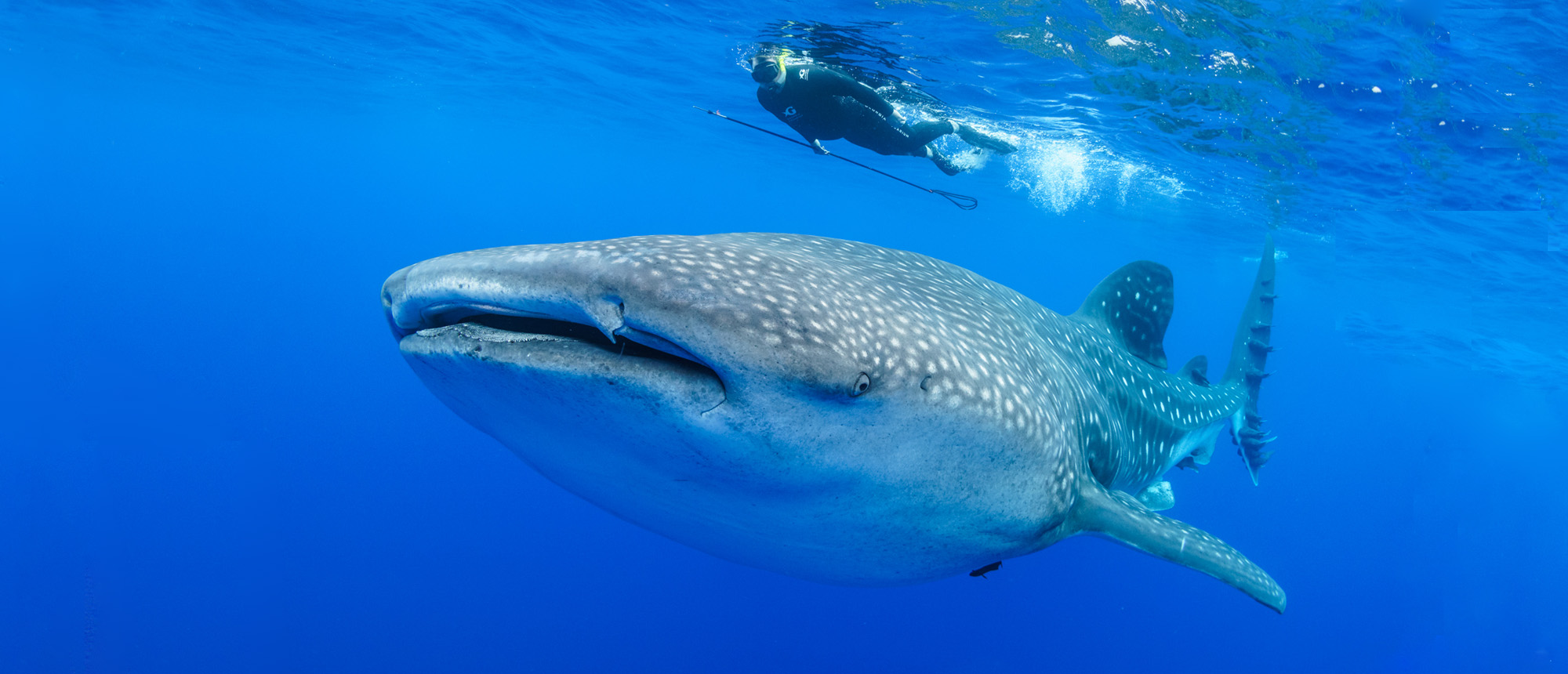
Whale Sharks Near Saint Helena Island, Atlantic Ocean
Whale sharks are found in all tropical waters around the globe, including in the Atlantic Ocean. Some places could host their reproduction, thus being critical places to protect and potentially...
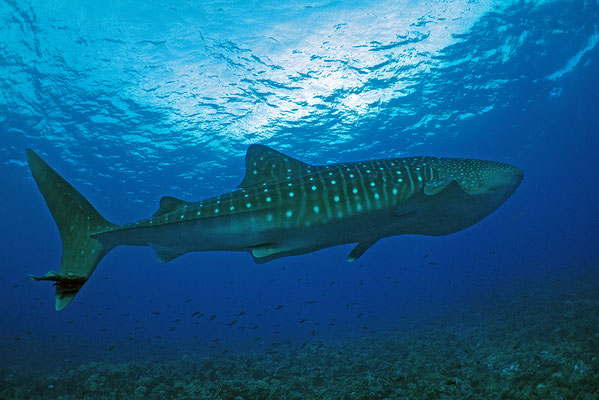
Argos Data Provides Shocking Evidence to Legitimize Marine Protected Areas
Since 1978 the ARGOS System has been used to improve scientists’ knowledge regarding animal behavior. However, Whale Sharks remain one of the biggest mysteries of the Oceans but thanks to technology...
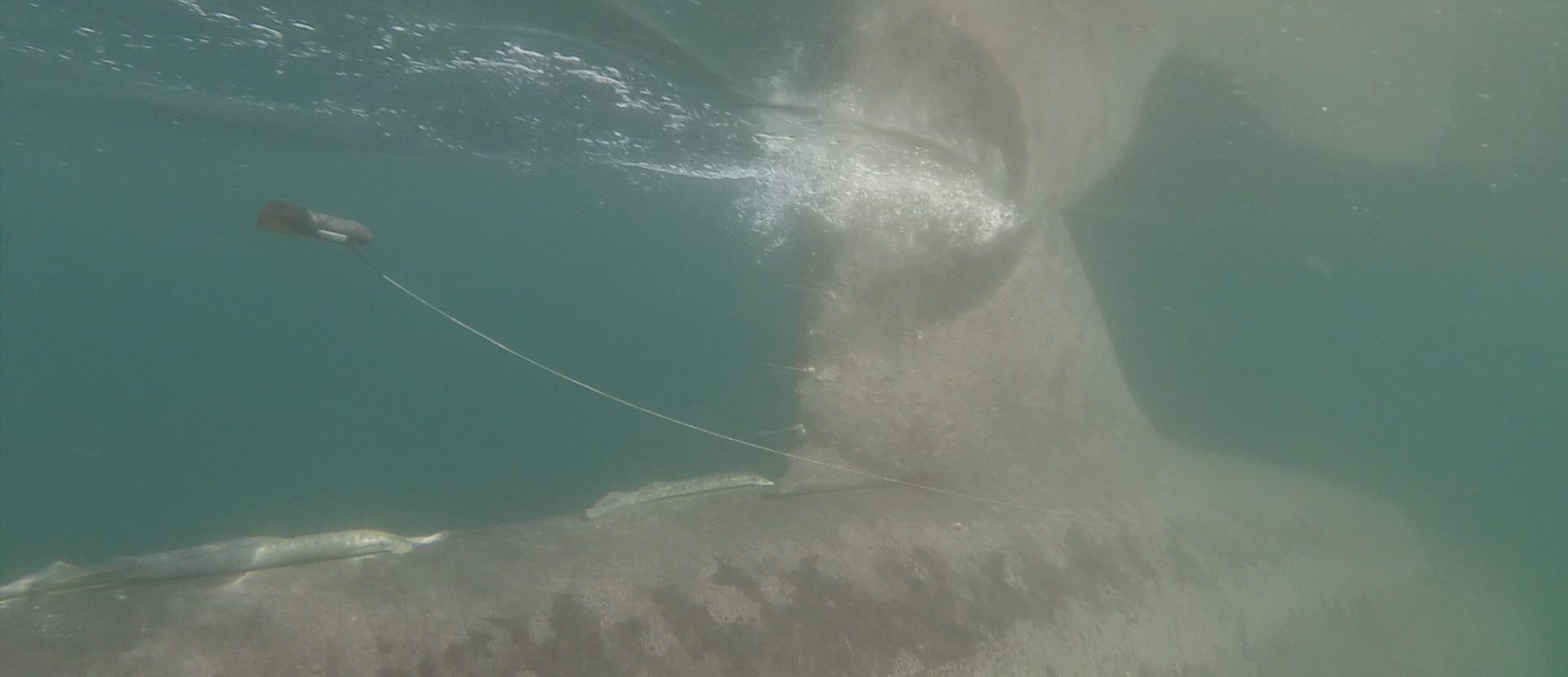
Basking Sharks’ Long Journeys Between Brittany and Cape Verde
Basking sharks can travel several thousand kilometers in a few months, as was discovered by monitoring their movements with Argos satellite tracking tags. Two basking sharks, in particular,...
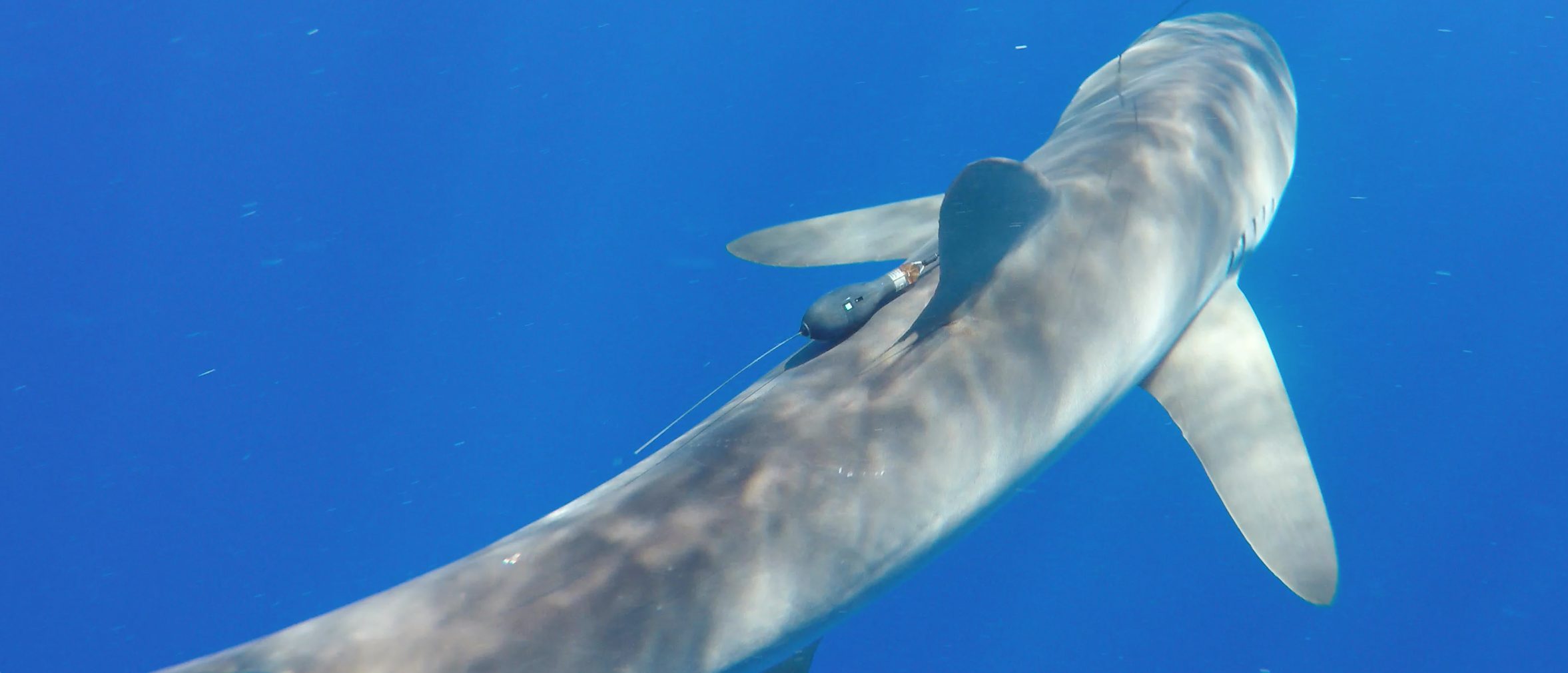
Understanding Silky Shark Movement Patterns to Avoid Interactions with Fisheries
Silky sharks occupy the same habitat as some marketable tuna species, thus leading to high risks of bycatch by fisheries. A NOAA study using a combination of telemetry technologies, including Argos...
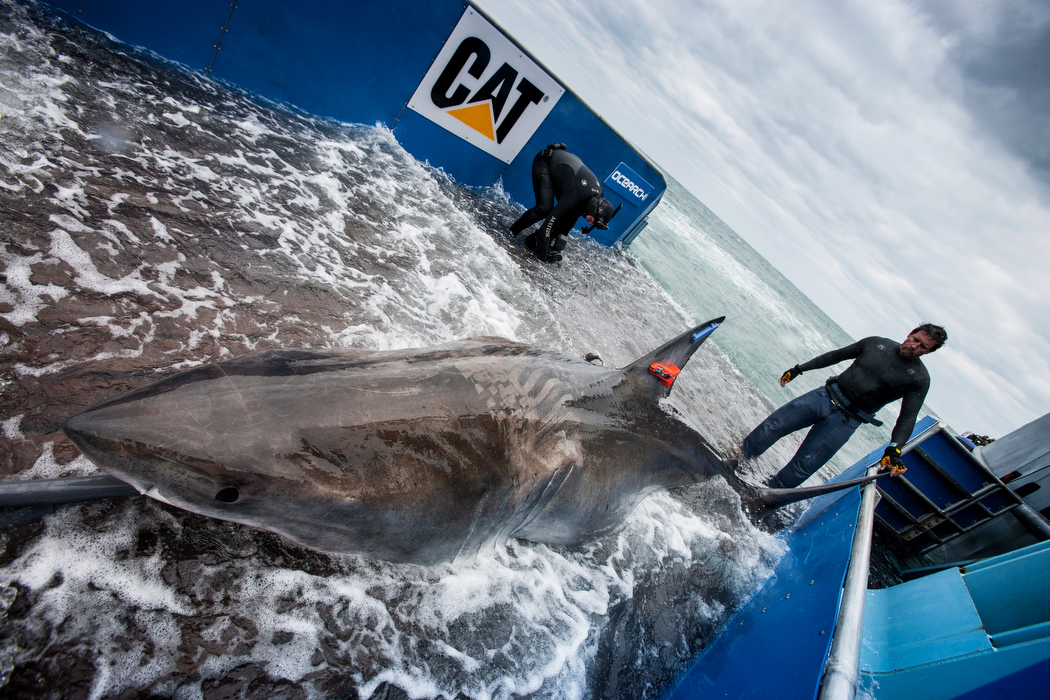
White Sharks in Eddies and Meanders
Top predators play a key role in maintaining the health of open ocean ecosystems. Understanding how they relate to their environment is fundamental in order to monitor their populations and the...

Argos Satellite Telemetry, an Important Tool for Conserving Migratory Sharks
The 3rd Meeting of the Signatories of the Memorandum of Understanding on the Conservation of Migratory Sharks took place from December 10-14th at the Museum for Oceanography of Monaco. It was hosted...
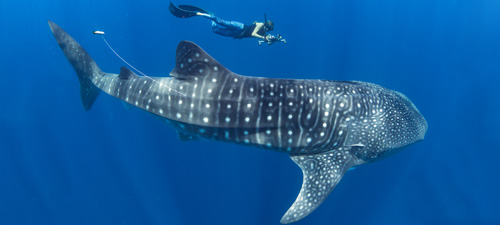
Whale Sharks in Madagascar
Whale sharks are living in all the warm oceans of our planet. Population repartition and behavior still need to be understood, as well as their movements. Example of a new feeding area for juvenile...
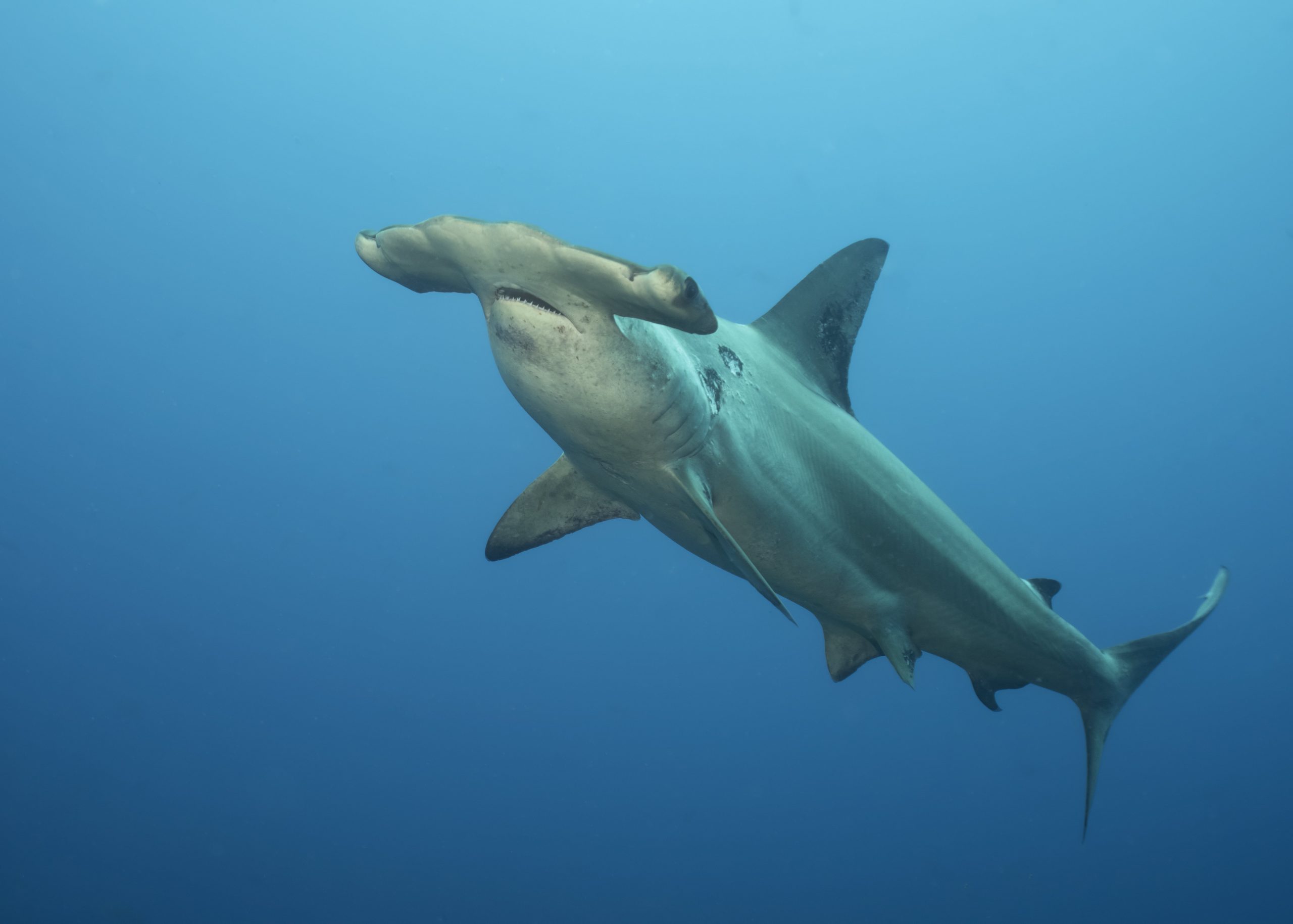
Hammerhead Shark Research: Knowledge from the Populations in the Canary Islands
Hammerhead Shark Research is a project that studies hammerhead sharks Sphyrna spp in the Canary Islands with the aim to contribute scientific base knowledge of these species in an understudied...
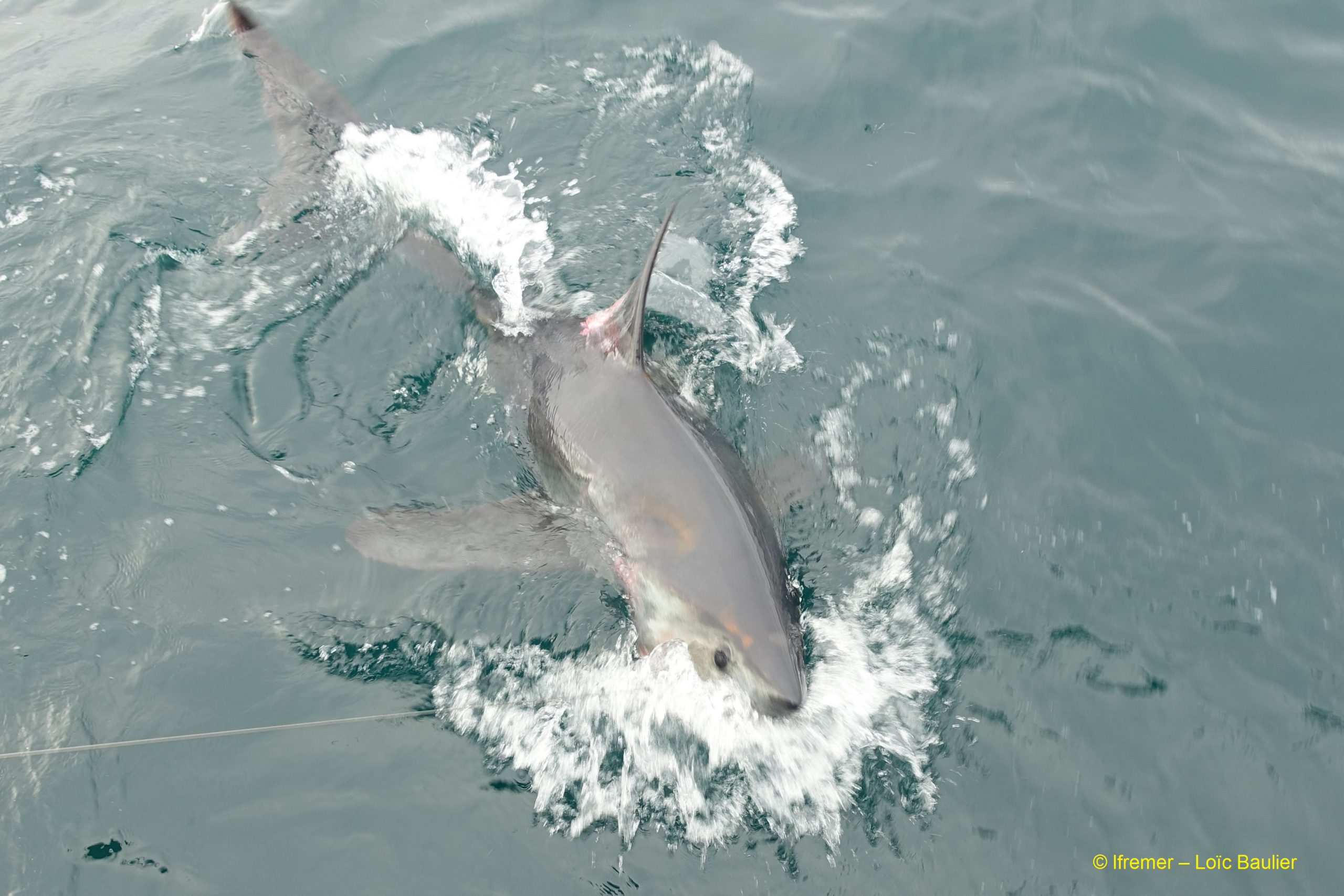
New Insights on Porbeagle Stock Structure in the North East Atlantic from PSAT Deployments
At the European User Conference on Argos Wildlife (EUCAW), Gérard Biais, Ifremer, reports on the porbeagle shark (Lamna nasus), a large pelagic shark found throughout the North Atlantic. The state...
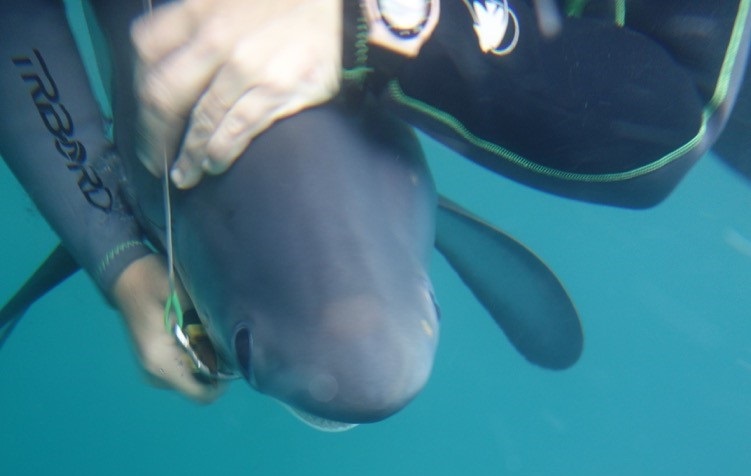
COLSHARK Program: First Satellite Tagging of Thresher Shark (Alopias Pelagicus) in Eastern Tropical Pacific Ocean
Armelle Jung’s presentation at the European User Conference on Argos Wildlife (EUCAW) will focus on the pelagic thresher shark (Alopias pelagicus). It is one of the largest and most abundant open...
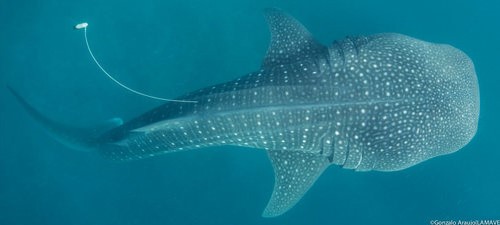
Whale Sharks, Big Friendly Giants of the Ocean
Whale sharks are about the opposite of your archetypal shark. These gentle giants, the biggest fish in Earth’s oceans, are living on a steady diet of plankton (with the addition of small crustacean,...
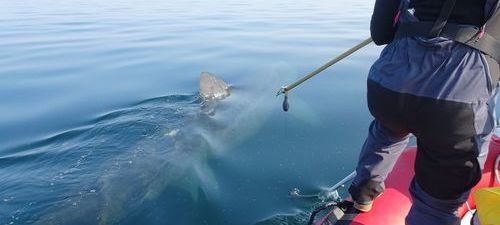
Two Tags on a Shark: A World First
The french association APECS (Association for the Study and Conservation of Selachians) is a Brest association dedicated to the study and conservation of sharks and rays. The members of this...
Argos Satellite System Helps Track Porbeagle Sharks
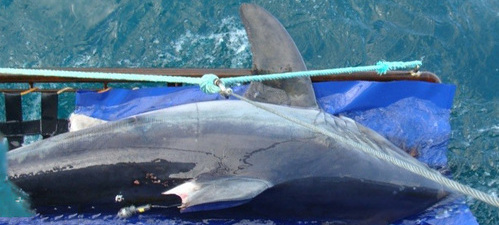
Porbeagle shark is a wildlife species which migrates long distances. Monitoring their movements is important to help protect them. Since they are permanently subaquatic, they are located using Argos...
Eric Stéphan and Alexandra Rohr, Learning More About Basking Sharks with Argos
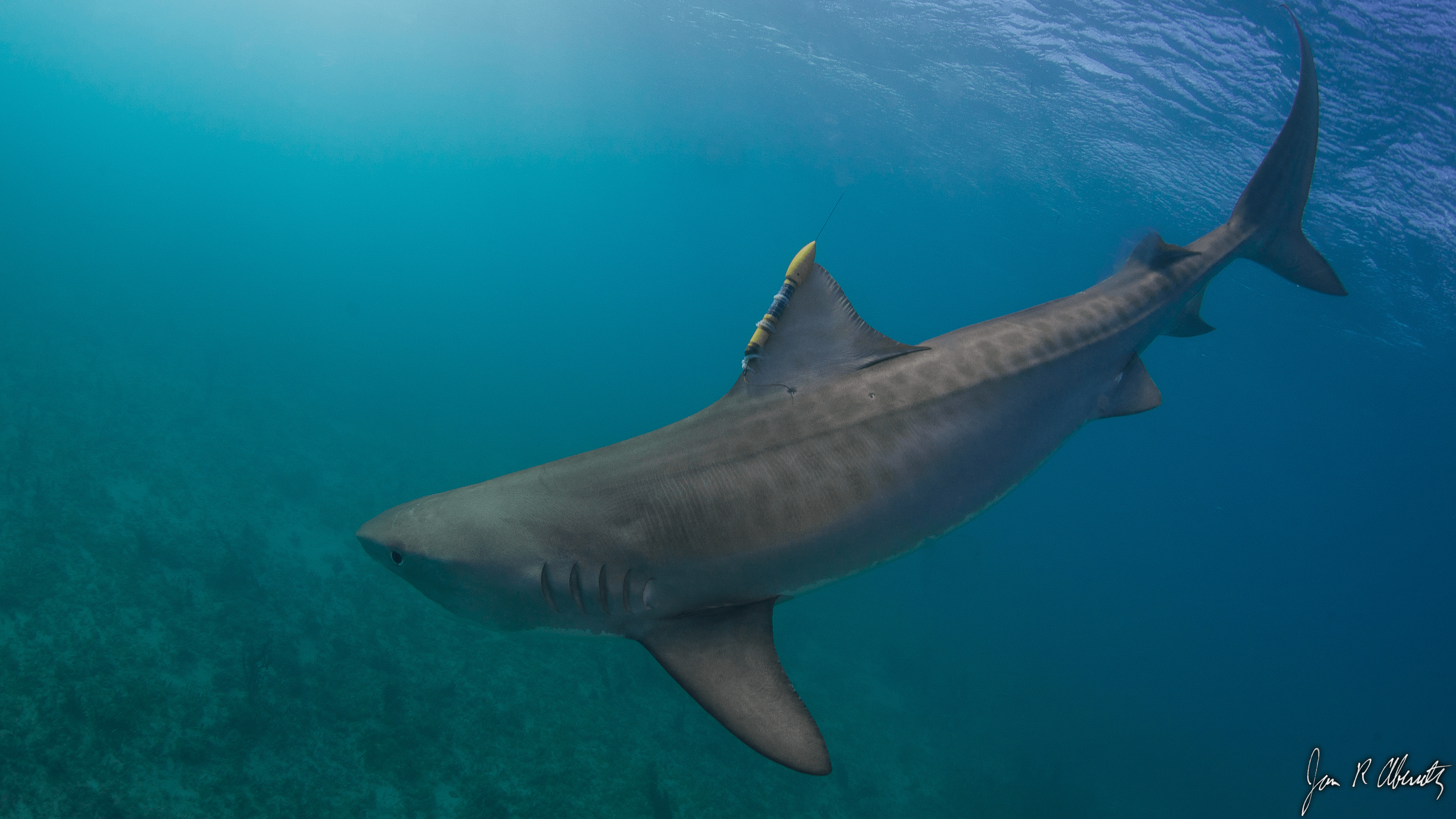
Understanding and monitoring marine species is crucial for the development of coherent and effective management practices. That is why the French Agency for Marine Protected Areas, now part of the...
Argos Forum #84 | Argos Serving Marine Protected Areas
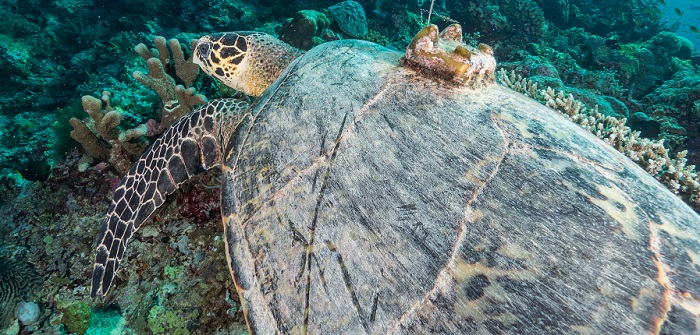
Did you know that 71% of Earth's surface are oceans, but only 3% of the world's oceans are protected in actively managed Marine Protected Areas (MPA)? And yet... did you know that 625+ animals are...
Finding CSIRO’s Glider 416 Following a Shark Attack
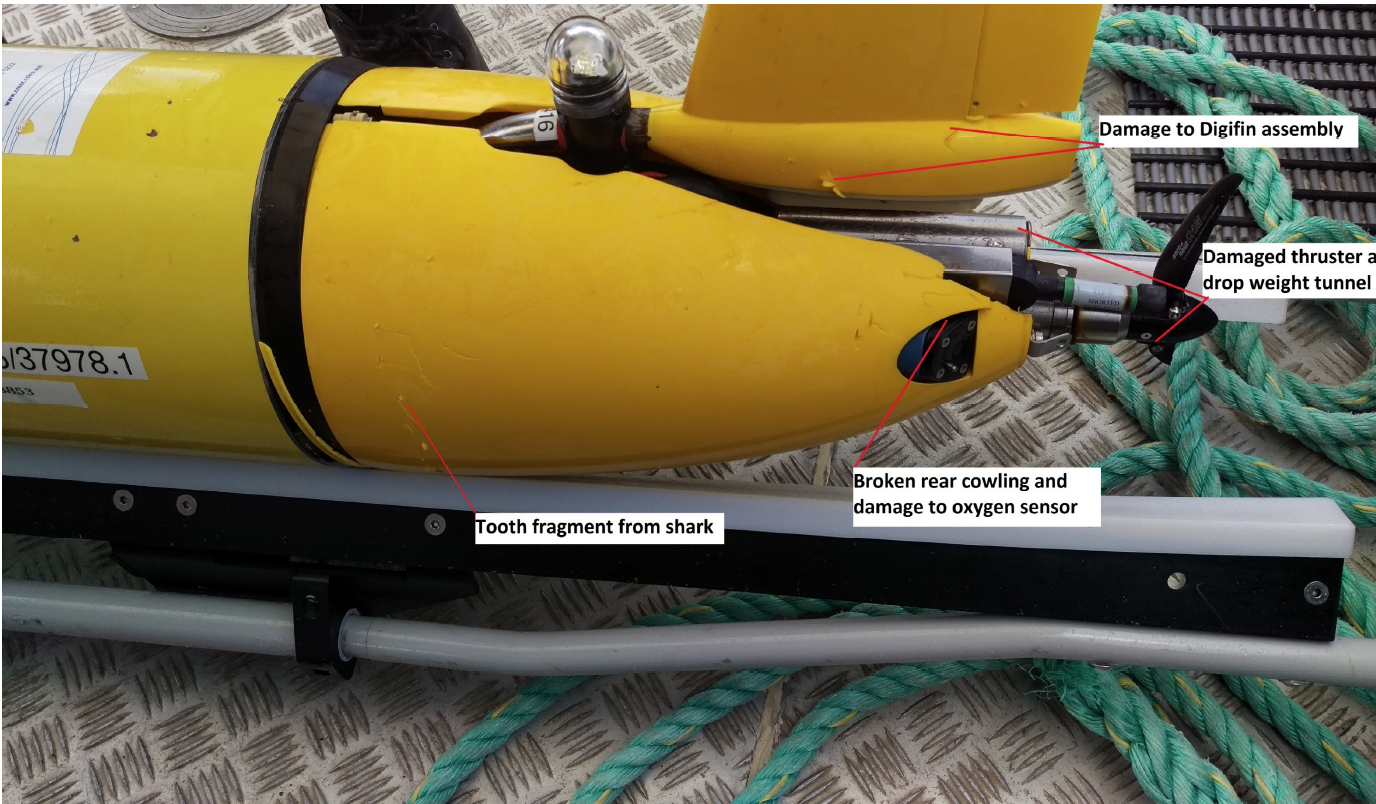
On January 21st 2016, Rob Gregor (CSIRO) and his team from the Australian Institute of Marine Science (AIMS) deployed the Slocum glider 416 (Amy) as part of the eReefs project to observe the water...
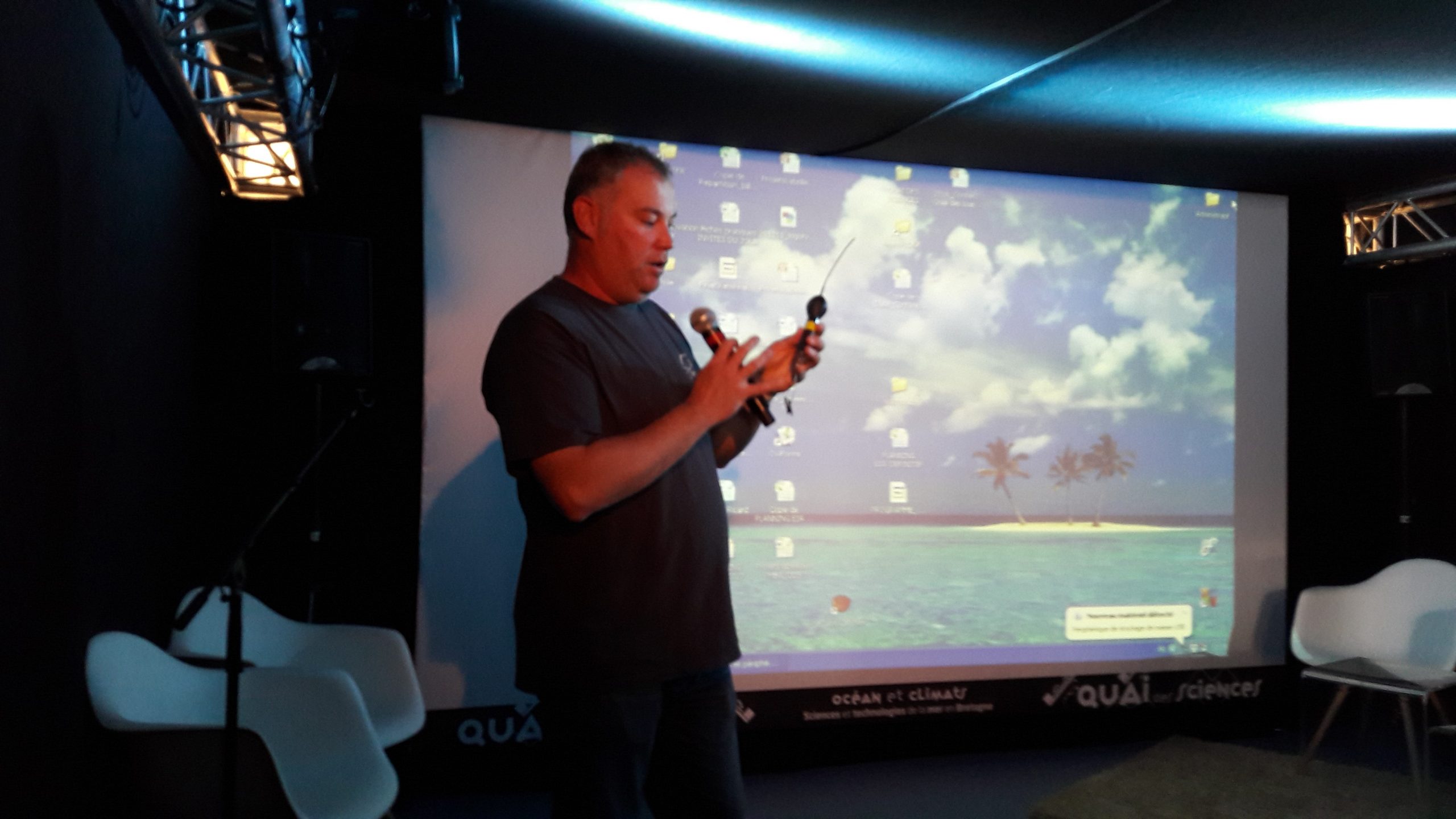
Eric Stéphan of APECS Explains Monitoring of Basking Sharks
APECS (Association for the study and conservation of selachians) is a Brittany-based organization with a scientific and educational mission. It acts in favor of the conservation of sharks, rays and...
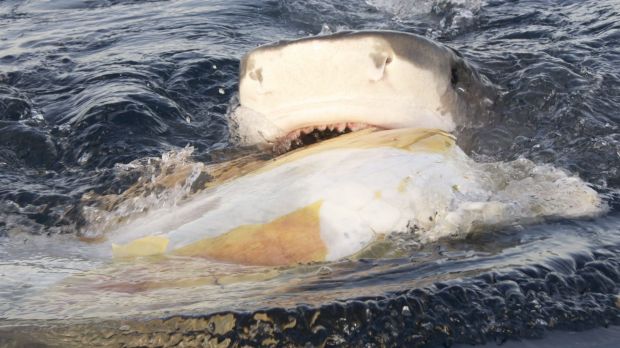
Tiger Shark Feeding Follows by Satellite Tag
Researchers from James Cook University fitted more than 10 tiger sharks and 10 green sea turtles with satellite tags at Raine Island over a five year period to better understand tiger shark...
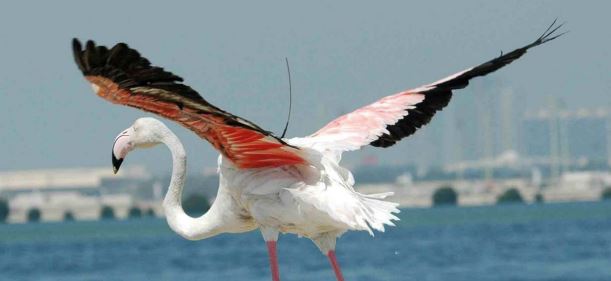
Argos Forum #82 | Wildlife Conservation in the Middle East
User program: Using Argos to identify important sites for flamingos in a rapidly changing landscape User program: Using Argos to track sooty falcons from Oman to Madagascar User program: Marine...
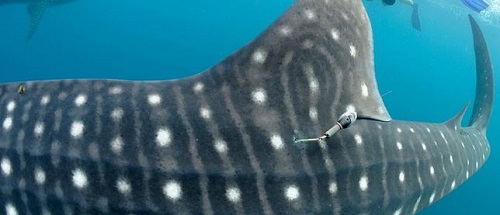
Follow HUNIDA, a Whale Shark Near Djibouti with MEGAPTERA Association
The first whale shark was tagged in the Gulf of Tadjoura, Djibouti, 2006. Two more followed in 2011. The Argos system allowed the association to track one of the whale shark until island of Socotra....
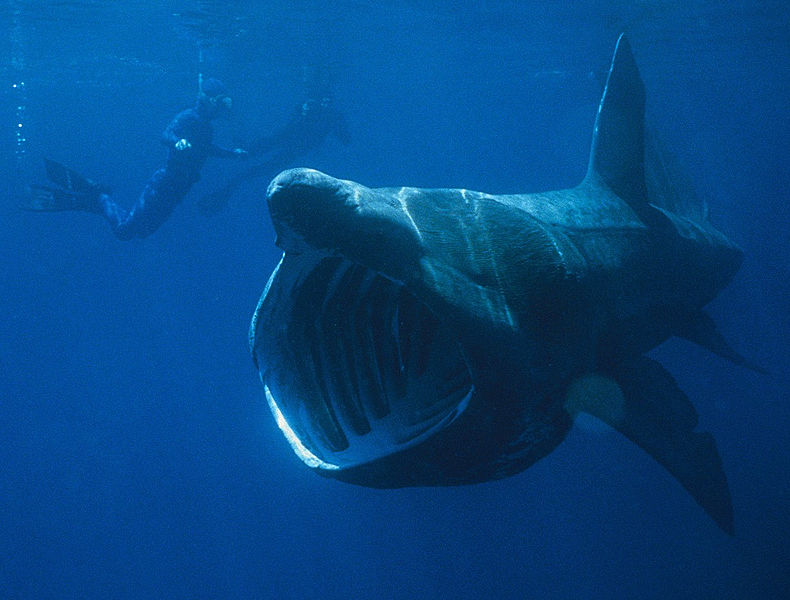
Argos Tags to Study Enigmatic Sea Creatures
Basking sharks are prevalent in the North Atlantic waters, off the coast of Scotland. While it is rarer to spot a basking shark in the Irish Sea, sightings have been reported off the Isle of Man....
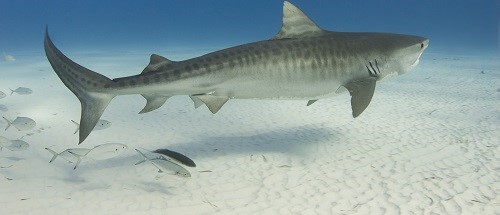
Tiger sharks
Tiger sharks, an IUCN ‘near-threatened’ species, are widely believed to be a coastal species. But in an article published in Scientific Reports on June 9th, 2015, scientists James Lea and Brad...
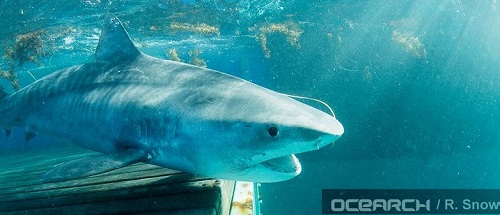
Mary Lee: Argos Tagged Shark Becomes Twitter Star
Mary Lee has recently attracted a lot of attention on social media through her @MaryLeeShark Twitter account. This 3.500 pound white shark was tagged two years ago by Gregory Skomal, Senior...
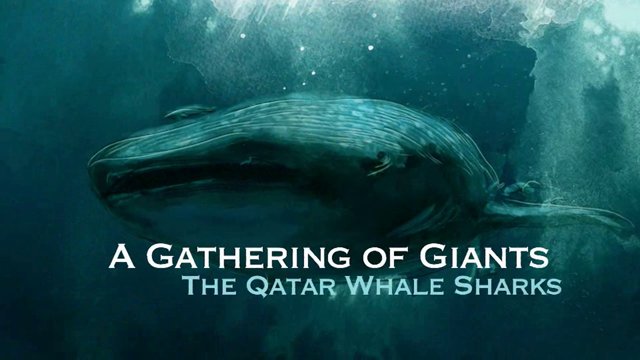
Tagging and Tracking Whale Sharks by a Research Team in Qatar
Qatar is home to a great diversity of marine animals. Each year, hundreds of whale sharks return to the Qatari waters near the Al Shaheen oil field, in the north of Qatar. To protect the whale...
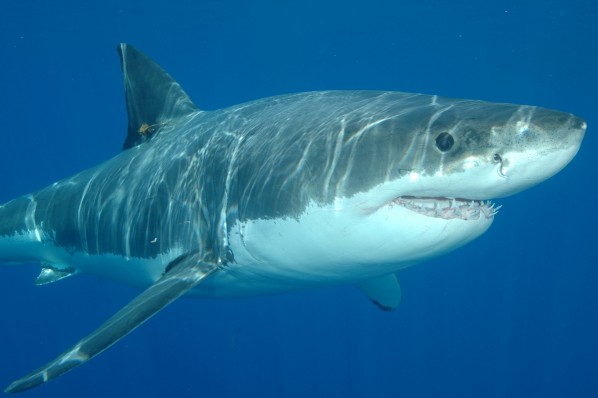
Argos and the Pacific White Sharks
Sharks are currently threatened all over the world, and the general public does not enough about their behavior and evolution. For the past 12 years MCSI (Marine Conservation Science Institute)...