
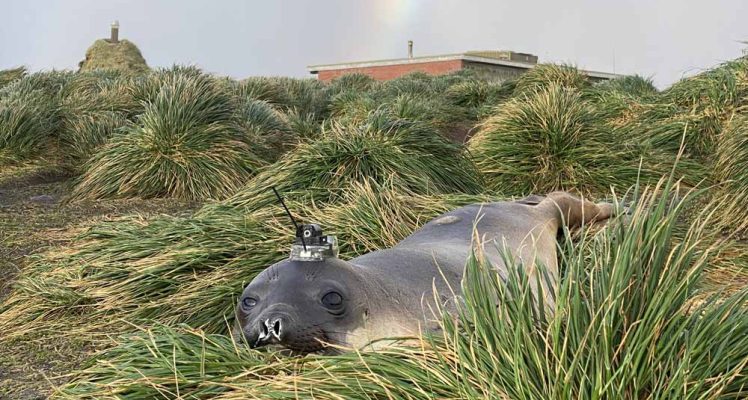
Seals Help in Assessing the Bathymetry Around Antarctica
Southern Ocean seals are frequently tracked marine animals. They thus provide a lot of environmental data on an otherwise poorly observed ocean. This includes bathymetry of the Antarctica...
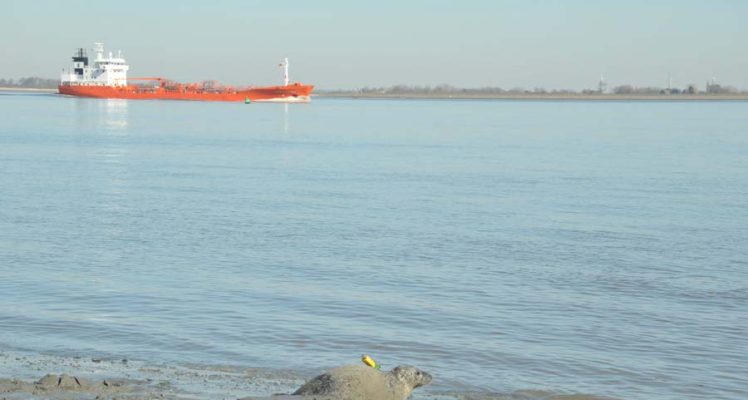
Assessing Exposure of Harbour Seals to Maritime Traffic Noises
Harbour seals living in the North Sea are exposed to a heavy ship traffic. New Argos archival tags enable to record ambient sounds, so that noise exposures can be quantified at the seals’ level. A...
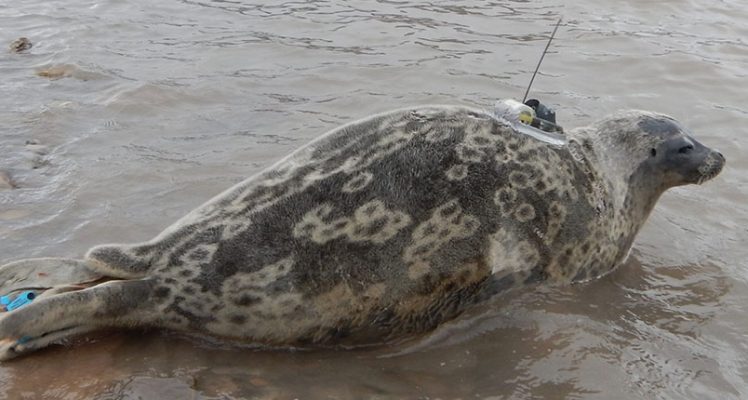
Ringed Seals in a Svalbard Lagoon
Ringed seals are dependent on sea ice. Throughout the Arctic, including around the Svalbard Archipelago, sea ice is declining rapidly, thus threatening these seals. Their use of a coastal lagoon was...
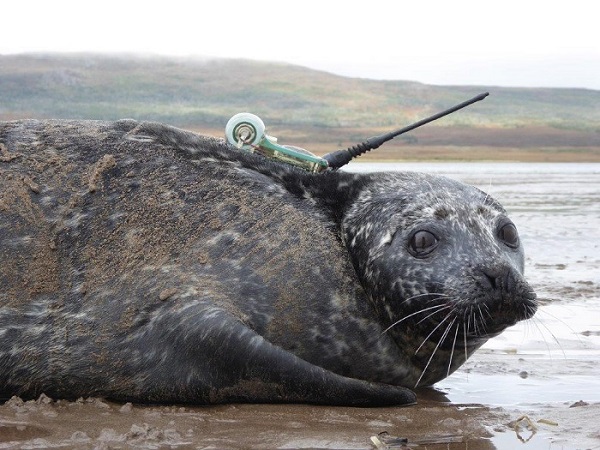
Seals Tracked by Argos Prove Great Migrators
Did you know that seals are able to learn the melody of the Star Wars theme? Or that scientific studies based on Argos tracking data have confirmed they are great migrators? The grey seal, long...
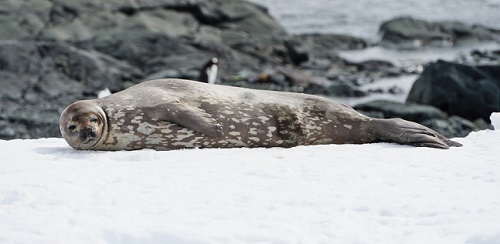
Better Understanding of Weddell Seals’ Diving
Weddell seals are the most southerly breeding mammal species. They are found among other places in the Weddell Sea, but their behaviour and foraging strategies are not well-known, in an area itself...
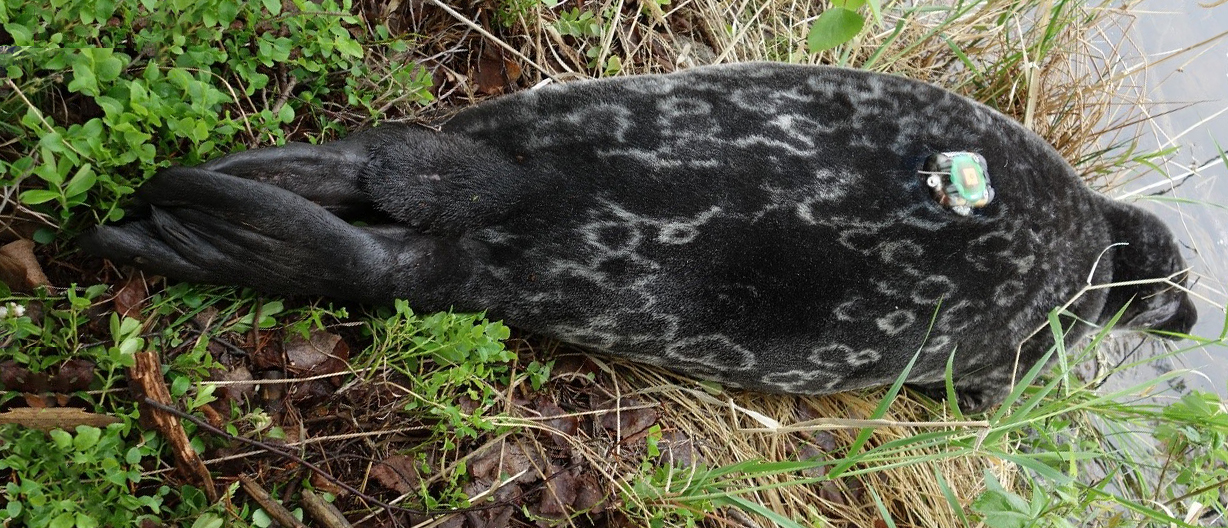
Lake Saimaa Ringed Seals
Ringed seals are living during winters in ice covered environment, both sea and lakes. One of the subspecies is living around Lake Saimaa in Southeastern Finland, where human activities are...
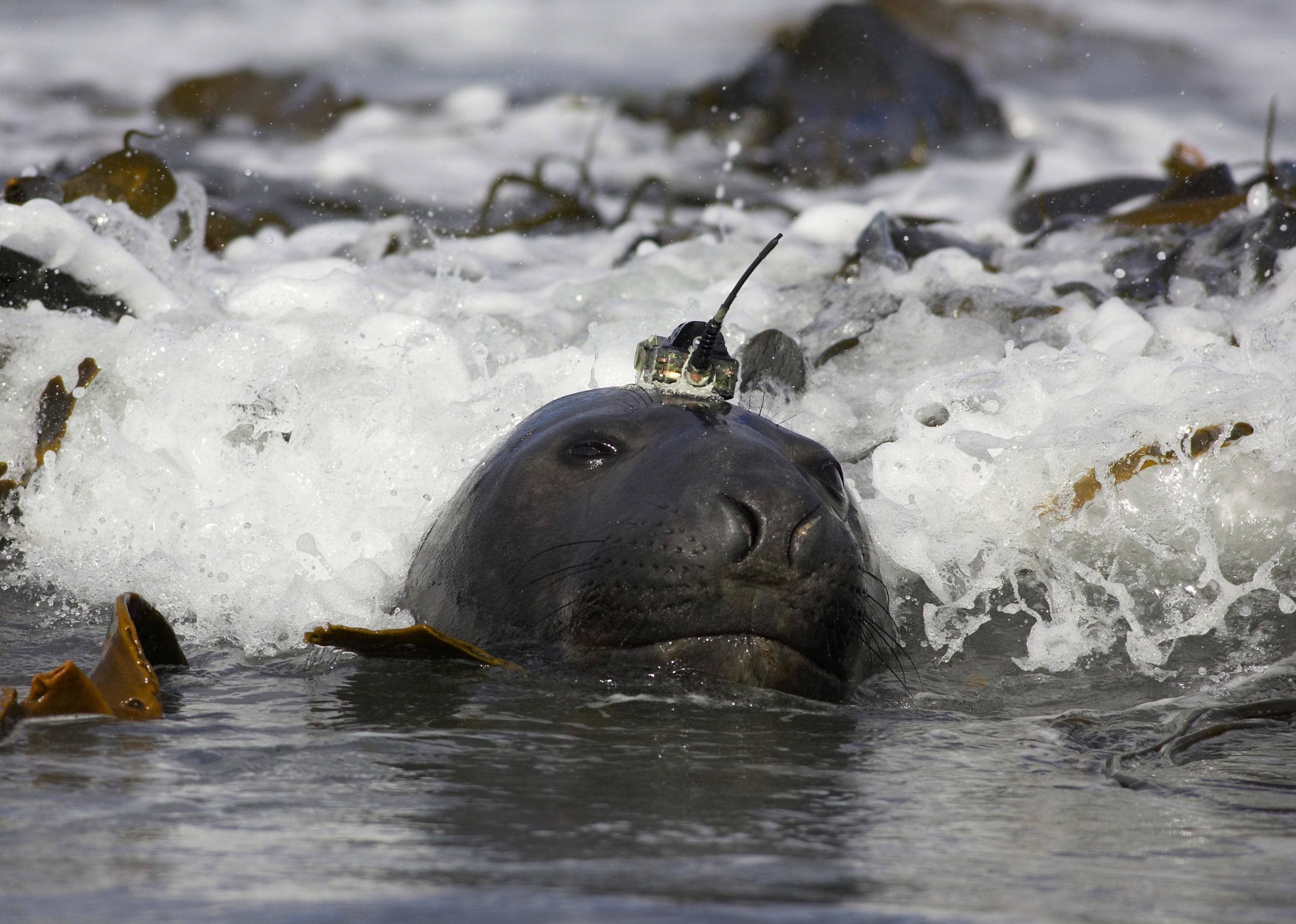
When Deep Diving Seals Help us to Observe Rapidly Changing of Polar Oceans
At the European User Conference on Argos Wildlife (EUCAW), Christophe Guinet's presentation will focus on how polar seals are used to collect in-situ measurements of temperature, salinity,...
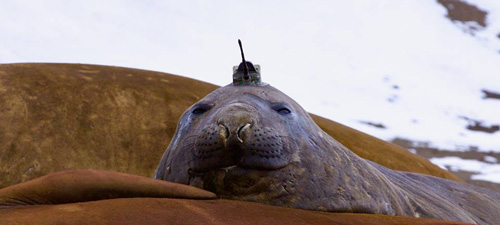
Elephant Seals Diving for Science
The marine animals living in the open ocean, and especially in the Southern Ocean, are among the ones which knowledge benefitted the most from Argos wildlife tracking. We discovered a lot about...
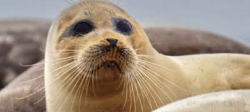
Caspian Seal: Crucial Data for Conservation
The Caspian seal (Pusa caspica) is a small-bodied, ice-breeding phocid, endemic to the landlocked Caspian Sea in Central Asia. The species is listed as ‘Endangered’ by the International Union for...
New Relationships Between Humans and Animals
Digital technologies open new relationships between humans and animals. With sensors, ARGOS-GPS satellite systems and mini-cameras, scientists can now collect data on animal migration and behaviors...
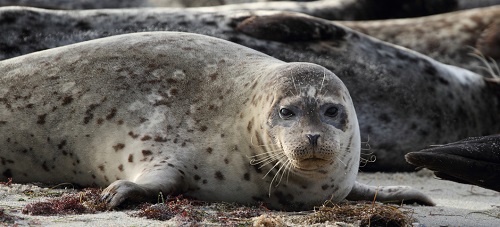
Shedding Light on the Life of Spotted Seals in the Sea of Japan
At the 2nd Argos Asian Wildlife Tracking Workshop in Incheon, Korea, Dr. Mari Kobayashi, Ph.D, will present her work "Estimation on area of use and feeding patterns by Argos satellite-tracking of...
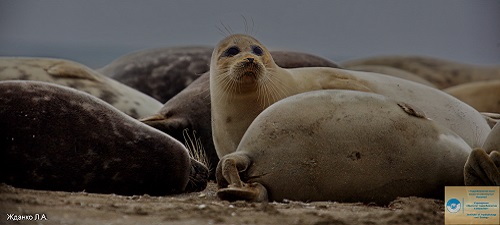
Caspian Seal Ecology and Conservation
By Lilia Dmitrieva, Simon J. Goodman, School of Biology, University of Leeds, UK The Caspian seal (Pusa caspica) is a small-bodied, ice-breeding phocid, endemic to the landlocked Caspian Sea in...
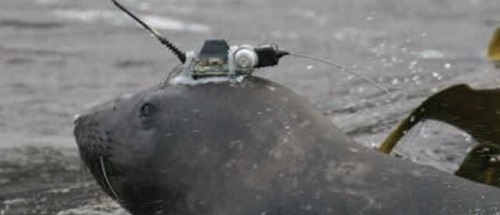
MEOP Web Portal: Ocean Observations by Marine Mammals
As of May 2015, a one-of-the-kind web portal named MEOP (Mammal Exploring the Ocean from Pole to Pole) provides operational access to the full international database of validated ocean observations...
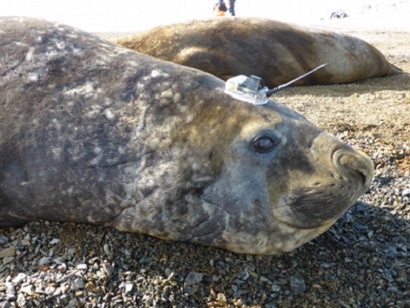
iSTAR Project
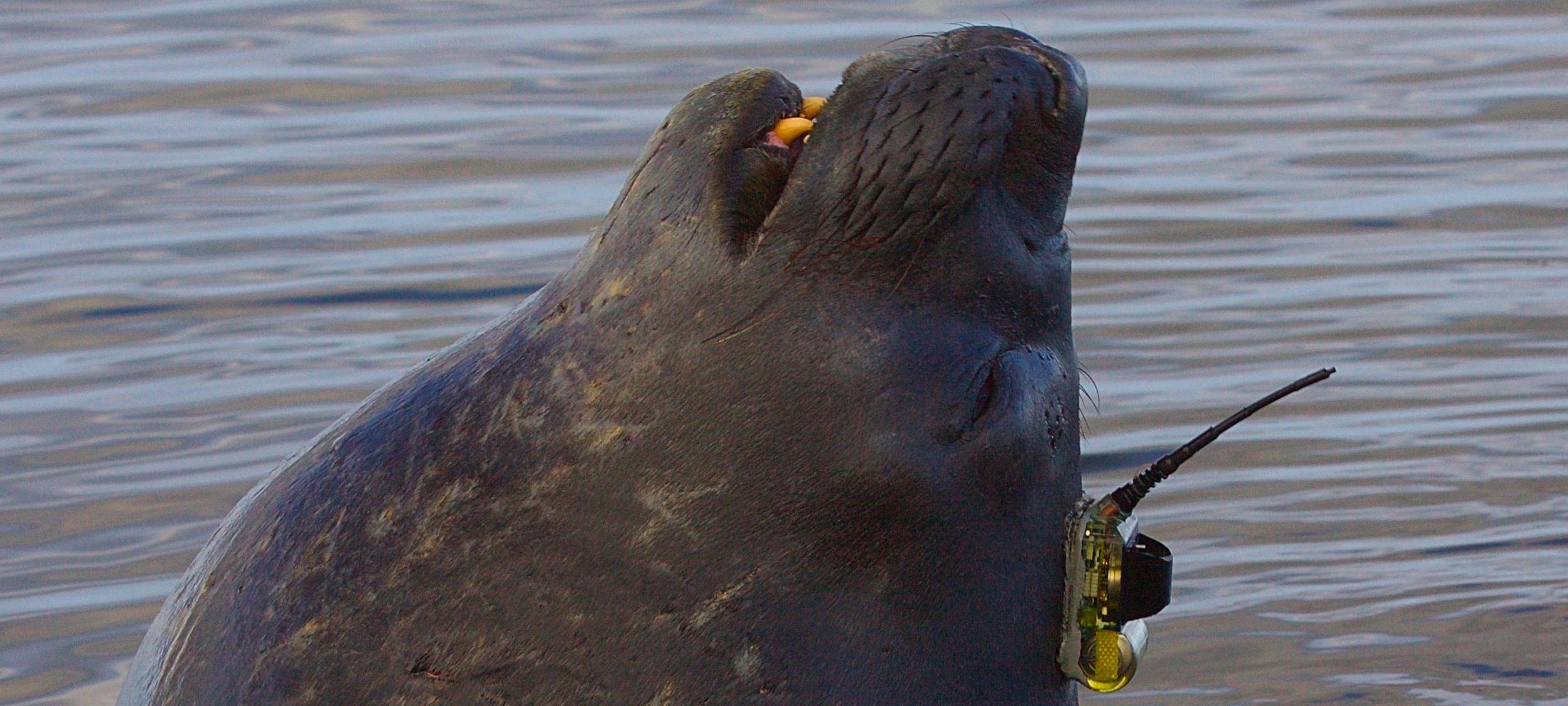
This male Southern elephant seal was tagged on the Edwards Islands as part of the iSTAR project. A telemetry tag designed by the Sea Mammal Research Unit is attached to fur on its head with epoxy...